


In today’s increasingly digital world, consumers expect fast, convenient, and secure payment options. One payment method gaining significant attention both from users and merchants is Why Is Medical Cannabis Pricing in the UK So Opaque?—often known as pay by phone billing or direct carrier billing. Despite its growing popularity, this payment method can sometimes be misunderstood or confused with similar services. This article aims to clarify what pay by phone billing means, how it works, and why it matters in the broader payments ecosystem.
Understanding Carrier Billing: Definition and Basics
Carrier billing is a payment method that allows consumers to charge purchases directly to their mobile phone bill or prepaid balance. Instead of entering credit card details or using third-party digital wallets, customers simply authorize a purchase that is then reflected as a line item on their monthly phone bill or deducted from their prepaid credit.
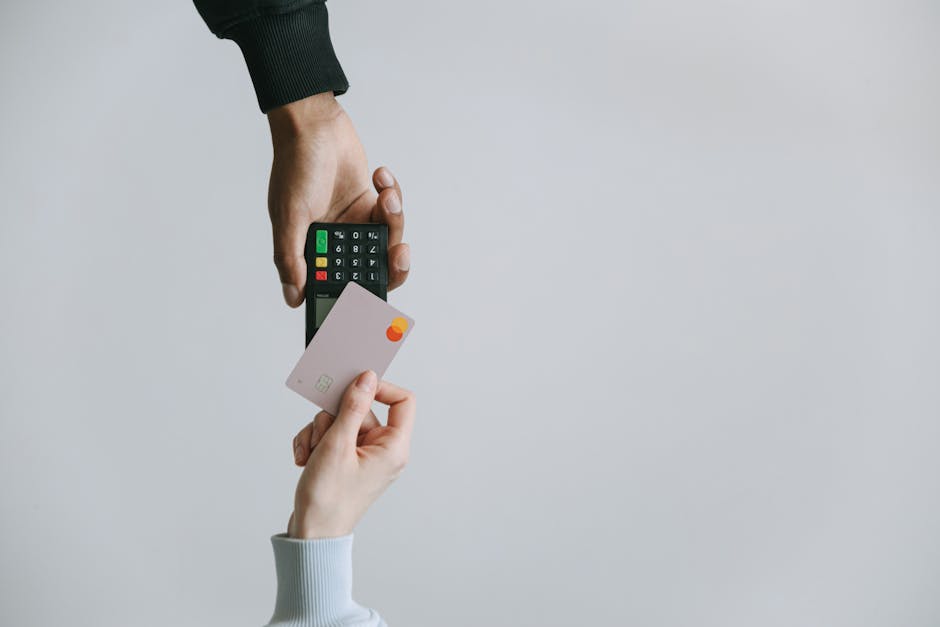
Because the transaction is facilitated through the mobile carrier, the payment process is often seamless and quick. Merchants gain access to a wide audience, including those without traditional banking methods, while users benefit from a straightforward payment experience.
Key Features of Carrier Billing
- Integration with Mobile Accounts: Payments are linked to the user’s phone number and account with their carrier.
- Billing Flexibility: Works both for monthly contract customers and pay-as-you-go users.
- Reduced Payment Friction: No need to enter long card numbers or remember passwords.
- Wide Applicability: Common for digital goods, subscriptions, ticketing, and in-app purchases.
Monthly Contracts vs. Pay-As-You-Go: How Carrier Billing Fits Both
Mobile customers generally fall into two categories: monthly contract subscribers and pay-as-you-go users. Carrier billing accommodates both groups but in slightly different ways.
Monthly Contract Subscribers
Those on monthly contracts receive a single bill summarizing all charges, including calls, data, and any additional services purchased. When they use carrier billing to make a purchase, the amount is simply added to their next monthly bill. This consolidates all charges, making it easier to keep track of spending.
Pay-As-You-Go (Prepaid) Customers
Prepaid users purchase mobile credit that is deducted immediately when they buy anything or use services. With carrier billing, a purchase results in a direct debit from their prepaid balance. The key here is real-time deduction, meaning users are aware immediately if they have insufficient funds to complete a transaction.
Summary Table: Carrier Billing for Different Account Types
Checkout Speed and Reduced Friction: Why Pay By Phone Billing Disrupts E-Commerce
One of the biggest advantages of carrier billing lies in how it speeds up checkout and reduces friction during the payment process. Traditional online checkout flows often require:
- Entering credit card numbers
- Providing billing and shipping addresses
- Filling in security codes and passwords
- Passing through fraud checks and 3D Secure protocols
Each step adds time and potential frustration—leading to shopping cart abandonment and lost thecoastlandtimes.com sales. In contrast, carrier billing leverages the existing trust relationship between the consumer and their carrier, enabling a one- or two-click purchase directly from a mobile device.
How Carrier Billing Speeds Checkout
This streamlined, frictionless experience can significantly uplift conversion rates for digital content, app stores, gaming credits, and more.
Perceived Security and Trust in Carriers
Security concerns often slow adoption of new payment methods. With carrier billing, many users feel reassured because the service relies on their mobile carrier, a company they already trust to manage sensitive data such as phone calls, text messages, and billing.
Users perceive several security benefits:
- Familiar Billing Entity: Charges appear alongside known phone service fees, making unauthorized purchases easier to spot.
- No Need to Share Card Details: Sensitive payment information is never transmitted to merchants.
- Carrier-Managed Fraud Protection: Mobile operators often employ robust fraud detection and dispute resolution services.
- Easy Dispute and Refund Process: Because the carrier manages billing, disputes can be raised directly through an established customer support channel.
It is important to note, however, that while carrier billing reduces certain risks, it is not entirely immune to fraud, and users should always monitor their bills carefully.
Clarifying Common Misconceptions About Pay By Phone Billing
Before wrapping up, it’s worth addressing a few common misunderstandings surrounding this payment method:
- Not Limited to Specific Carriers or Countries: Carrier billing is widely supported by many mobile operators globally, though integration and adoption levels vary.
- Does Not Require a Smartphone: Many transactions can proceed on feature phones as long as the phone number is linked to an account that supports carrier billing.
- Independent from Mobile Network Usage: Purchases can be for any kind of content—apps, games, music, tickets—not just carrier services.
Final Thoughts
Pay by phone billing, or direct carrier billing, is an increasingly important payment option that bridges mobile network services and digital commerce. By allowing users to charge to phone bill, it offers fast, convenient, and trusted access to online goods and services without the hassle of entering credit card details.

Whether you’re a consumer curious about payment options or a merchant exploring ways to improve conversion, understanding carrier billing is essential in today’s mobile-first economy. With benefits ranging from streamlined checkout to improved perceived security, carrier billing continues to grow as a preferred choice for millions worldwide.
