

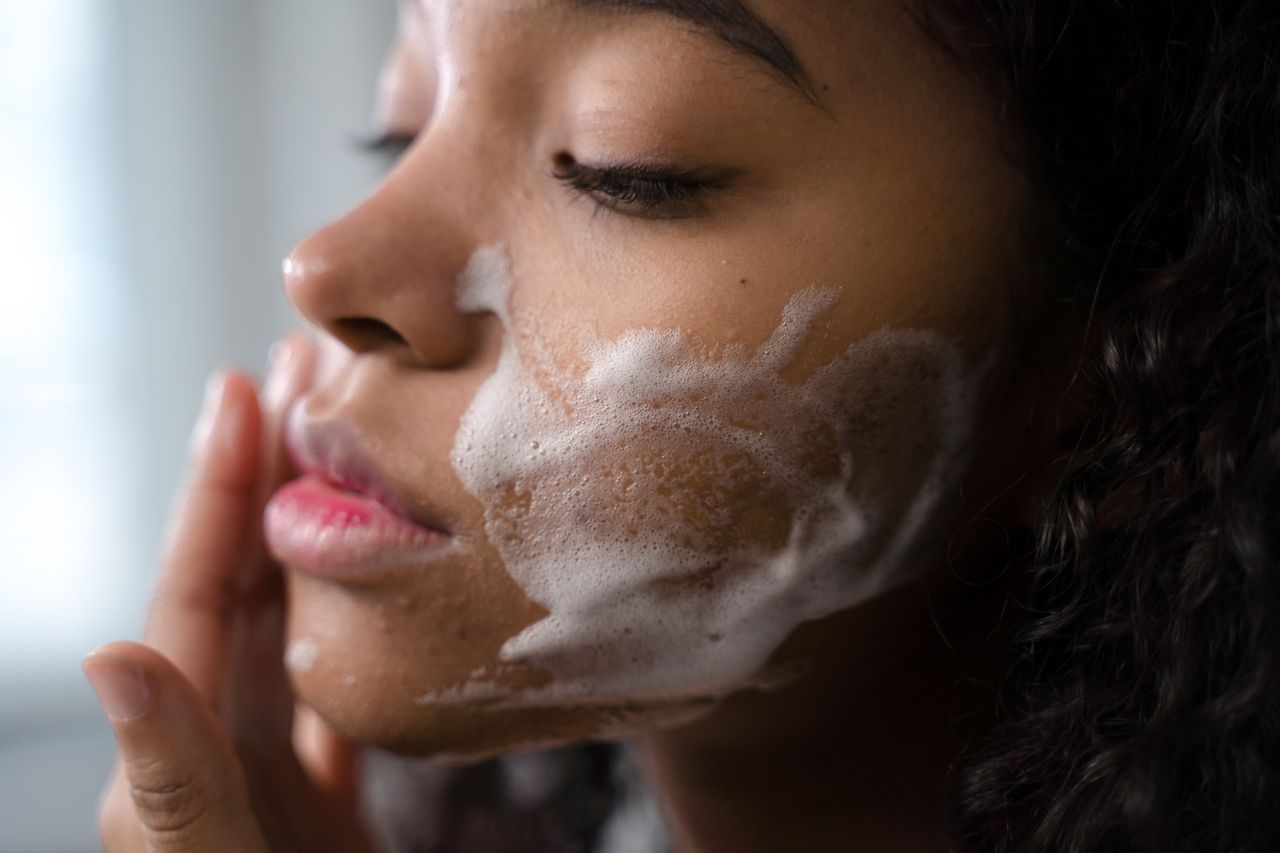
Not long ago, “clean beauty” sounded like a niche promise found only on the shelves of small health stores. Today, it has become something far bigger: an expectation. Shoppers now flip bottles over to read ingredient lists, parents compare labels before buying a lotion for their toddler, and brands of every size are rethinking their formulas. Clean skincare has moved from the margins to the mainstream, and it isn’t going anywhere.
What “Clean” Really Means
There is no single legal definition of clean skincare, which is exactly why understanding the idea matters. In general, it refers to products made with ingredients chosen for safety and gentleness, with fewer unnecessary additives. That often means avoiding harsh synthetic fragrances, certain preservatives, and ingredients that commonly irritate sensitive skin.
But clean isn’t only about what’s left out. It’s also about what goes in. Thoughtfully formulated products rely on ingredients with a clear purpose, such as soothing plant oils, gentle cleansers, and moisturizers that support the skin’s natural barrier. The goal is simple: care for the skin without overwhelming it.
Why the Shift Happened

Several forces pushed clean skincare into the spotlight at the same time.
First, people became more informed. Ingredient-checking apps, dermatologists sharing advice on social media, and open conversations about skin sensitivities gave consumers the tools to ask better questions. Once you know how to read a label, it’s hard to stop.
Second, skin concerns became more visible. Eczema, redness, dryness, and allergic reactions affect millions of people, including very young children. Families dealing with these issues naturally look for products with shorter, more understandable ingredient lists.
Third, the broader wellness movement changed how we think about daily routines. The same people who choose whole foods and pay attention to what they eat started applying that mindset to what they put on their skin. After all, skin is the body’s largest organ, and the products we use on it every day add up over time.
A Family Affair
One of the most meaningful developments in clean skincare is how it has expanded beyond individual beauty routines to the whole household. Parents, in particular, have become some of the most careful shoppers in the category.
Babies and young children have thinner, more delicate skin that can react quickly to irritants. That’s why many parents now look for products designed to be gentle enough for every member of the family, from newborns to grandparents. A single, trusted set of essentials simplifies bathroom shelves and gives peace of mind.
Classic nursery staples have also evolved with this mindset. A well-formulated baby powder, for example, remains a comforting part of many family routines, helping keep delicate skin dry and fresh, especially in warm weather or after bath time. Modern versions made with carefully selected, skin-friendly ingredients show how traditional favorites can meet today’s higher standards without losing the simple care families have always valued.
Transparency Builds Trust
As clean skincare became the norm, transparency became its foundation. Consumers no longer accept vague claims or long lists of unpronounceable ingredients without explanation. They want to know where ingredients come from, why they are used, and how products are tested.
Brands that openly share this information earn loyalty that lasts. Clear labeling, honest marketing, and accessible explanations help customers feel confident rather than confused. In a crowded market, trust has become one of the most valuable things a skincare company can offer.
Clean Doesn’t Mean Less Effective
A common misconception is that gentle products can’t deliver real results. In reality, clean formulations have improved dramatically. Ingredients like shea butter, oat extract, aloe vera, and plant-based oils are well known for hydrating and calming the skin. Combined with smart formulation, they can be just as effective as conventional alternatives, often with fewer side effects.
For people with sensitive skin, this is especially important. A product that works without causing redness or itching is not a compromise; it’s an upgrade.
Sustainability Goes Hand in Hand
The clean movement has also encouraged a closer look at environmental impact. Many shoppers now expect responsible sourcing, recyclable packaging, and cruelty-free practices alongside safe ingredients. For a growing number of people, caring for their skin and caring for the planet are part of the same decision.
How to Choose Clean Products Wisely
If you’re building a cleaner routine, a few simple habits can help:
- Read the full ingredient list, not just the front of the package.
- Patch test new products, especially for children or sensitive skin.
- Look for brands that explain their choices and are open about their formulas.
- Keep your routine simple. Fewer, well-chosen products are often better than many.
- Consult a dermatologist if you have persistent skin concerns.
The New Normal
Clean skincare is no longer a bonus feature or a marketing buzzword. It reflects how people want to live: informed, intentional, and caring toward themselves and the people they love. As expectations keep rising, the brands that thrive will be those that combine gentle ingredients, honest communication, and products the whole family can use with confidence.
The message is clear. Today, clean isn’t the exception. It’s the standard.
