


When it comes to premium luggage choices for work travel packing, Tumi’s internal layout stands out as a hallmark of thoughtful design and practical luxury. While many brands push loud logos and flashy exteriors, Tumi leans into quiet luxury—a focus that resonates with discerning travelers who prioritize function without sacrificing style. Today, we’ll unpack why Tumi emphasizes internal organization, how it compares with competitors like Joe’s Daily, Von Baer, and Rimowa, and what this means for you at the airport carousel.
The Philosophy Behind Tumi’s Internal Layout
Tumi’s design ethos revolves around optimizing internal compartments and garment sections inside carry-ons to simplify packing and make travel logistics smoother. Unlike brands fixated on external aesthetics or oversized branding, Tumi understands the unpredictability of baggage claim scenarios and aims to make your bag work as hard as you do.
Whether you’re hopping between client meetings or catching an early flight, the internal organization directly affects how quickly you can retrieve essentials, manage wrinkle-prone clothing, or segregate tech gear from toiletries. This approach contrasts sharply with some direct-to-consumer brands like Away, which primarily highlight sleek exteriors and fewer internal divisions, banking on minimalist appeal.
Quiet Luxury vs. Loud Logos
Tumi embodies quiet luxury. You won’t find ostentatious logos shouting for attention—unlike some luggage options that favor flamboyant branding to catch eyes on crowded airport carousels. Brands such as Joe’s Daily and Von Baer also lean toward this understated look, but Tumi’s consistent emphasis on quality materials and internal smartness clearly sets it apart.
For travelers who want luggage that blends seamlessly in an executive lounge or boardroom, loud logos are less appealing. Tumi employs subtle embossing, tonal branding, and material contrast rather than oversized patches or metal tags. This gives their bags a more refined presence, signaling confidence and quality without desperate self-promotion.

Material Reality Check: Full-Grain Leather vs. Bonded Leather
Leather accents and trims further underscore Tumi’s commitment to quality. Many consumers are attracted to the idea of ‘genuine leather,’ a term often used vaguely by brands that actually rely on bonded leather or low-grade splits. Tumi, however, mostly incorporates full-grain leather— the highest quality type sourced from the top layer of the hide.
This makes a difference beyond feel and aesthetics. Full-grain leather ages well, developing a patina that personalizes your bag, whereas bonded leather surfaces tend to peel and crack after several trips, especially when exposed to the rough and tumble of baggage claim carousels.
Von Baer offers similar material integrity, but some direct-to-consumer luggage companies like Away are known to use vegan or synthetic alternatives to keep costs and weight down. While lighter weight is a plus, it often comes with trade-offs in durability and tactile appeal.
Polycarbonate Quality and Impact Behavior
Moving beyond leather, the shell material of your luggage plays a critical role in how it withstands impact at airport carousels or atop luggage conveyors. Tumi’s polycarbonate shells tend to be thicker and engineered for shock absorption, managing dents and scratches better than many lighter-weight competitors.
Rimowa, well known for its aluminum cases, offers superior resilience but comes at a premium price and weight cost. Tumi’s polycarbonate is a smart middle ground—lighter than metal but more durable than cheap plastics commonly found in entry-level carry-ons.
Hardware Durability: The Wheels, Zippers, and Handles That Matter Most
One of the running frustrations for frequent travelers: which components on luggage break first? From my 12 years reviewing bags and working retail warranty booths, I can say the most common failures happen with wheels, zipper pulls, and telescoping handles. Tumi places extra attention here.
- Wheels: Tumi’s spinner wheels generally feature reinforced housings and smooth, quiet rolling—an advantage when maneuvering through crowded airports or gravel-linked parking lots. Competing brands like Joe’s Daily sometimes skimp on wheel robustness to hit lower price points.
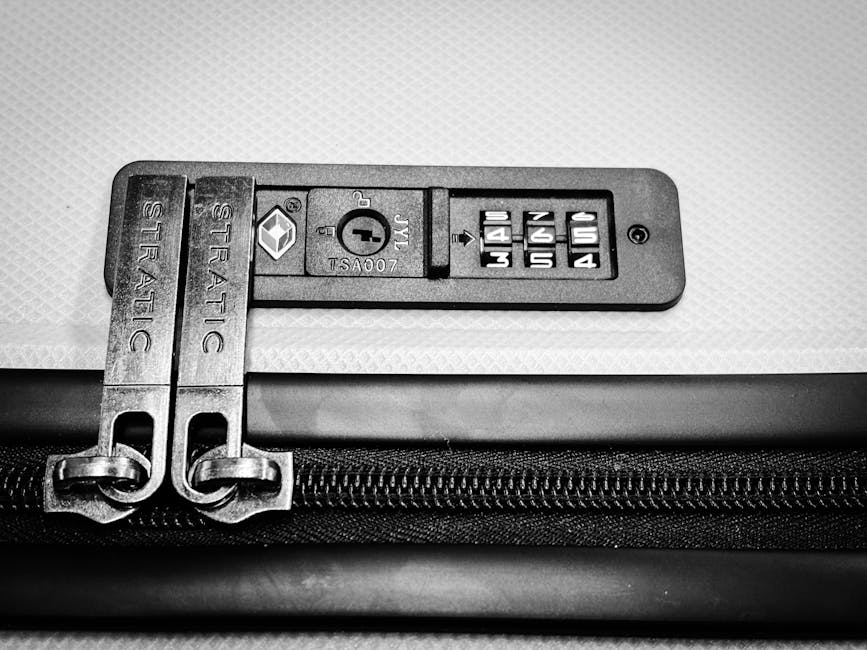
- Zippers: Solid, YKK zippers with sturdy pulls are standard for Tumi. This reduces the risk of splitting or snagging during heavy packing sessions—a flaw many other brands don’t address directly in their claims.
- Handles: The extendable handles on Tumi bags tend to be metal-core with reinforced joints, built to endure consistent usage without looseness or breakage. This is a crucial detail often glossed over in marketing copy but painfully noticeable at baggage claims.
Why Does This All Matter for Work Travel Packing?
For professionals who travel often, having a garment section carry-on that organizes clothing crisply—without wrinkles—and allows easy access to electronics, chargers, passports, and documents can reduce stress and save time before crucial meetings.
Tumi’s compartmentalization aids in this, offering dedicated padded laptop sleeves, zippered mesh pockets, and separate garment sleeves that minimize compression damage. Their engineering focuses on packing intelligence rather than just looking good in the photos.
How Tumi Compares to Other Notable Competitors
Practical Realities at the Airport Carousel
Let’s get real for a moment. No matter how elegant your luggage looks on Instagram, every traveler faces the baggage claim grind. Wheels catch on conveyor belts. Zippers face grime and forceful pulls. Handles may get dropped, thrown, or crushed.
Tumi’s internal layout complements its hardware robustness, meaning that even if your bag takes a hit externally, the interior organization protects your clothing and electronics. It also accelerates your exit from the carousel since you’re not scrambling to find your passport or cables buried deep inside.
You’ll notice this attention to detail less if your luggage relies on just a single big compartment—as is common with some direct-to-consumer brands—and more if you value systematic packing that handles everything from dress shirts to chargers gracefully.
Final Thoughts: Why Tumi’s Internal Organization Matters
Tumi’s focus on superior internal layout isn’t accidental; it’s an informed response to frequent traveler pain points observed over decades. Quiet luxury, premium materials, carefully selected hardware, and functional compartmentalization combine away vs tumi carry on to deliver a carry-on experience that eases the hustle of work travel packing and airport transit.
While brands like Rimowa shine for their striking shells and Joe’s Daily appeals to casual carryers, Tumi’s edge lies in integrating these quality aspects with intelligent internal design. Pair that with better wheel durability and trustworthy zippers, and you get a reliable work travel partner that’s built to last beyond the occasional carousel scuffle.
So, if you’ve been weighing your options and value a well-thought-out garment section carry-on that prioritizes what’s inside over what’s plastered on the outside, Tumi remains a compelling choice.
