


In our fast-paced, always-connected world, the idea of a break has transformed. For those interested in how legal frameworks impact personal finance, understanding What Does IRC 2038 Have to Do with a Revocable Trust and Estate Tax? can provide valuable insights. Instead of long, uninterrupted stretches of free time, many of us now experience micro-breaks — those few minutes squeezed between meetings, commutes, or errands. It’s tempting to use these moments to unwind via smartphones, gaming platforms, or quick online distractions. But strangely, when faced with too many options, relaxing can become surprisingly difficult.
Choice Overload and Decision Fatigue
We’ve all heard about decision fatigue — the idea that making too many decisions drains our mental energy. According to The Washington Post, an abundance of choices in everyday life can leave us feeling overwhelmed, leading to increased stress rather than relief. This phenomenon is commonly called choice overload, where having too many options paradoxically makes deciding harder and diminishes satisfaction with the options chosen.
When your downtime breaks are fragmented into short periods, the mental bandwidth isn’t always there for weighing pros and cons. The very act of choosing how to spend these micro-breaks—whether scrolling social media, catching a quick video, or opening a casual game—can introduce friction instead of comfort.
The Start-Stop Convenience of Smartphones
Smartphones excel at fitting entertainment into small moments, with quick loading times and user-friendly apps designed to work across mobile and desktop devices. Platforms like MrQ, known for their regulated gaming platforms and a variety of slot titles designed for desktop and mobile, illustrate this well. Whether you’re grabbing a quick pick in a digital slot game or browsing a playlist, these options promise soothing engagement at your fingertips.

Yet this intense availability contributes to overwhelm: apps and sites constantly offer new games, videos, and articles tailored to your past behavior, creating an abundance of potential distractions. The start-stop nature of smartphone use — opening an app, deleting it, switching to another — can pull attention in multiple directions during what should be restful downtime.
Why More Choice Means Less Relaxation
- Increased cognitive load: Instead of passively enjoying a moment, your brain is tasked with sifting through options and judging their worth.
- Fear of missing out: If you pick one game or video, you worry if something better was left unexplored.
- Switching costs: Rapidly moving between apps or games can be mentally jolting rather than calming.
Passive vs. Interactive Short Entertainment
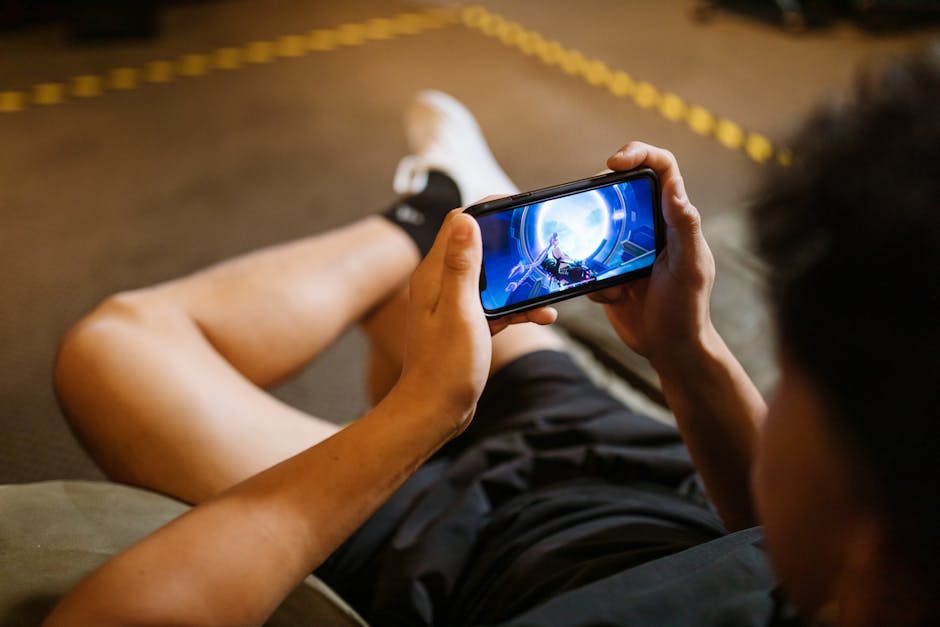
Not all entertainment is created equal when it comes to relaxation. Passive activities—like watching a short video or browsing photos—require minimal decision-making from the user, making them ideal for quick mental breaks. Conversely, interactive experiences—such as mobile casual gaming—demand more engagement and choices, which can be double-edged.
Casual gaming on mobile platforms offers benefits: they’re accessible, often quick to start, and designed for bite-sized play. However, popular slot titles designed for both desktop and todaydinehours.com mobile, especially those on regulated gaming platforms like MrQ, come with a dense menu of games and betting options, making it tempting to evaluate numerous choices rather than just enjoying the play. This intense interactivity can sometimes escalate decision fatigue, combining relaxation with stress.
The Common Mistake: Ignoring Price Transparency
A pitfall often overlooked in discussing casual entertainment and gaming is the absence of clear price information. Websites and platforms sometimes showcase game variety and convenience but neglect to mention pricing clearly, leaving users uncertain if an activity is free, subscription-based, or pay-per-use. This ambiguity can add another layer of mental burden, weakening the feeling of a carefree break.
For example, resources like TodayDineHours.com, which help diners find restaurants quickly, emphasize convenience but also balance expectations by providing clear opening hours and sometimes pricing cues. Gaming platforms should similarly prioritize transparency about potential costs, reducing anxiety over hidden spending during micro-breaks.
How to Navigate Choice Overload for Better Breaks
Recognizing that too many options can hinder relaxation is the first step. Here are practical strategies for making the most of fragmented free time without falling into decision fatigue:
Conclusion
In an era abundant with digital entertainment options—from multi-title online slots on platforms like MrQ to quick restaurant hour finders like TodayDineHours.com—the paradox of choice is real. If you’re curious about the intersection of technology and trust, you might also want to explore What Does the OECD Say About Synthetic Media and Trust?. While having options theoretically empowers us, choice overload and decision fatigue can transform free time into another source of stress.
Especially during micro-breaks marked by fragmented free time, the convenience of smartphone apps and interactive games brings both opportunity and challenge. Recognizing the difference between truly relaxing and merely distracting yourself can help you reclaim your mental downtime. By simplifying choices, leveraging quick pick tools, and insisting on transparency, you can turn even a few minutes into genuinely restorative breaks.
