


If you live along Florida’s northeast coast, particularly in St. Johns and Flagler Counties, you’re probably no stranger to roaches. These creatures are more than just unwelcome guests; their presence can have tangible health impacts, especially when they take refuge in places like wall cavities and appliance motors.
In this post, I’ll dive deep into why roaches favor these hiding spots, the risks they pose through allergen proteins, and how Florida’s year-round humidity plays into their persistence. I’ll also clarify the difference between the so-called “palmetto bug” and the German cockroach — and, heads up, not every big roach is a palmetto bug. Plus, I’ll explain why proper cleaning tools and methods like HEPA filter vacuuming and wet-wiping beat the vague “clean your house better” advice you’re used to hearing.. Pretty simple.
Roaches Thrive on Warmth and Tight Cracks
Cockroaches are masters of finding cozy, hidden places that offer safety, access to food and water, and darkness to stay hidden. Two of the favorite locales are wall cavities and the motors inside household appliances.
- Wall cavities: These gaps between studs or drywall pieces create voids that are often undisturbed by humans. They offer stable temperatures and protection.
- Appliance motors: Refrigerator, microwave, dishwasher, and washer/dryer motors generate warmth and humidity, making them perfect little roach hideouts.
This is all about their need for warmth and safety in tight cracks. Such conditions keep roaches hidden from light and predators and provide the right environmental microclimate to survive. Coupled with constant access—or at least proximity—to food and water, these locations are ideal.
The Nocturnal, Secretive Life of Cockroaches
You ever wonder why roaches are primarily nocturnal creatures. This means they prefer to emerge and scavenge at night when chances of human interaction are minimal.
During the day, they retreat to dark hidden spots. Wall voids and appliance motors provide that sanctuary. Because these are less disturbed compared to, say, kitchen counters or floor bases, the roaches feel safer.
Understanding this helps explain why you might see roaches roaming in your kitchen late at night or early morning but rarely spot them during the day, despite their being present in large numbers behind the scenes.
Void Spaces: Close to Food and Water, Out of Sight
Roaches need water daily to survive, and they’re surprisingly resourceful at finding moisture. Kitchens and bathrooms are prime real estate for roaches because of the abundance of food crumbs, grease residues, and water leaks.
Wall cavities behind sinks or near water pipes often have small leaks or condensation that provide moisture. Similarly, appliance motors—especially in refrigerators and dishwashers—generate both heat and sometimes attract moisture. This creates the perfect microhabitat providing:
- Protection from predators and humans
- Consistent moisture supply
- Nearby food sources (crumbs, grease, spilled liquids)
Florida’s Year-Round Humidity: The Roach’s Best Friend
One of the biggest reasons cockroaches flourish in northeast Florida is our constant high humidity. Unlike colder or drier climates where roach populations can wane in winter, here, our environment is hospitable all year round.
Warmth combined with steady humidity allows cockroach populations to breed continuously without a significant seasonal downturn. This adds to the likelihood of hidden infestations inside walls and appliances persisting for months or even years unchecked.
Outdoor pressure also plays a role. Roaches from dense natural areas like palm groves and marshlands often migrate indoors to get food, water, and shelter. They easily slip into homes through cracks, vents, and seams, taking up residence wherever conditions are right.
American Cockroach (Palmetto Bug) vs German Cockroach
It’s common—but incorrect!—to call all large roaches “palmetto bugs.” Here’s the scoop:
Both species are capable of harboring hidden infestations in your home’s walls and appliances—so don’t get too caught up in common names. The treatment concepts are similar but require professional inspection for effective control.
The Health Danger: Cockroach Allergen Proteins and Asthma
Here’s the part that really matters to me as a pest control professional: the health impact. Cockroaches release allergen proteins through their saliva, feces, shed skin, and body parts.
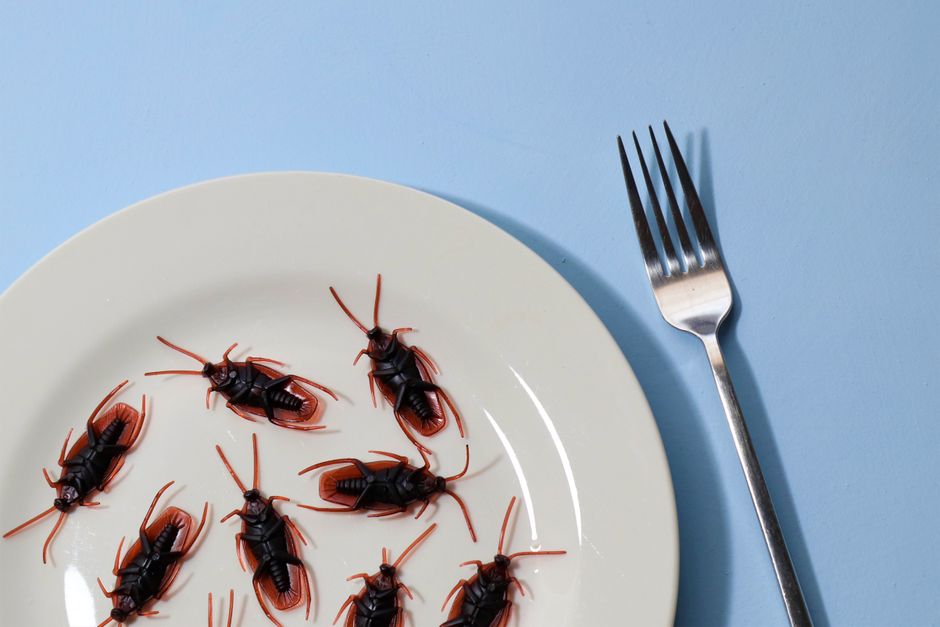
Two major allergens are:
- Bla g proteins: From the German cockroach (Blattella germanica)
- Per a proteins: From the American cockroach (Periplaneta americana)
These allergens contribute significantly to asthma and allergic disease, especially in children. Studies show that exposure to these proteins can worsen asthma symptoms, cause allergic reactions, and make respiratory control difficult.
The problem is, these proteins accumulate in the dust and debris left behind where roaches hide—in wall cavities, under and behind appliances, and inside motors. That’s why persistent allergen dust remains even after you think the roaches are gone.
Hidden Infestations and Persistent Allergen Dust
Because roaches are secretive and live in inaccessible voids, infestations often go unnoticed until the problem becomes severe. Signs like odd odors, dead roach parts under appliances, and visible roaches at night often mean a much larger population is hiding nearby.
Simply spraying roaches where you see them is like chasing shadows. The real issue lies in the hidden breeding areas, where eggs hatch and new roaches grow.

Even more frustrating is allergen dust accumulation in areas most homeowners neglect. Dust under and behind appliances, inside wall cavities, and near plumbing leaks is usually missed during routine cleaning. This leaves the allergen problem untouched while roaches come and go.
Why Bug Bombs Don’t Work (And Why I Hate Them)
Before I get into recommended cleaning practices, a quick side note: if you’ve ever been told to “bug bomb” your house or apartment, I have to say, please don’t!
Bug bombs, or foggers, fail to reach roaches hiding deep inside voids and appliance motors. Instead, they spray poison mainly into open air and surfaces, leaving hidden populations untouched. Plus, the chemicals can be harmful to your family and pets when misused.
My pet peeve is seeing social media users promote foggers as a cure-all. If you want a real solution, you’ll need targeted pest control strategies combined with proper cleaning.
Effective Cleaning: HEPA Filter Vacuuming and Wet-Wiping
Removing roach allergens demands more than a vacuum or a dry dust mop. Here’s what I recommend for dealing with the allergen dust where roaches live and leave behind proteins:
Be sure to pull appliances out at least occasionally. This is a must-do, not just a vague “clean more” tip. Roaches lurk underneath and behind fridges, stoves, and dishwashers, and allergen dust piles up there without fail.
Final Thoughts: Understanding, Managing, and Preventing Roaches
To wrap up, cockroaches hide in wall cavities and appliance motors because these places provide warmth, moisture, darkness, and protection—perfect places to breed and thrive. Florida’s humid climate and outdoor pressure keep the problem constant year-round.
Beyond the nuisance, the real concern is the allergen proteins (Bla g, Per a) these pests leave behind, which trigger asthma and allergies. Hidden infestations and persistent allergen dust are why many struggle to fully rid their homes of the problem.
Your best approach involves:
- Professional pest control to inspect and treat hidden areas
- Proper cleaning using HEPA filter vacuuming and wet wiping
- Pulling out appliances regularly to clean underneath and behind
- Avoiding ineffective “bug bombs” and vague cleaning advice
If you’re dealing with roaches, don’t just spray what you see. Do a thorough inspection, understand their habits, and tackle the hidden hotspots. settled dust allergen test If you’re unsure, it’s worth calling a licensed pest control professional—especially one who knows Florida’s unique conditions well.
Remember: Before spraying any product or buying another can of bug spray, always pull the fridge out and check behind. Roaches love that spot.
Stay pest-smart, and breathe easier!
