


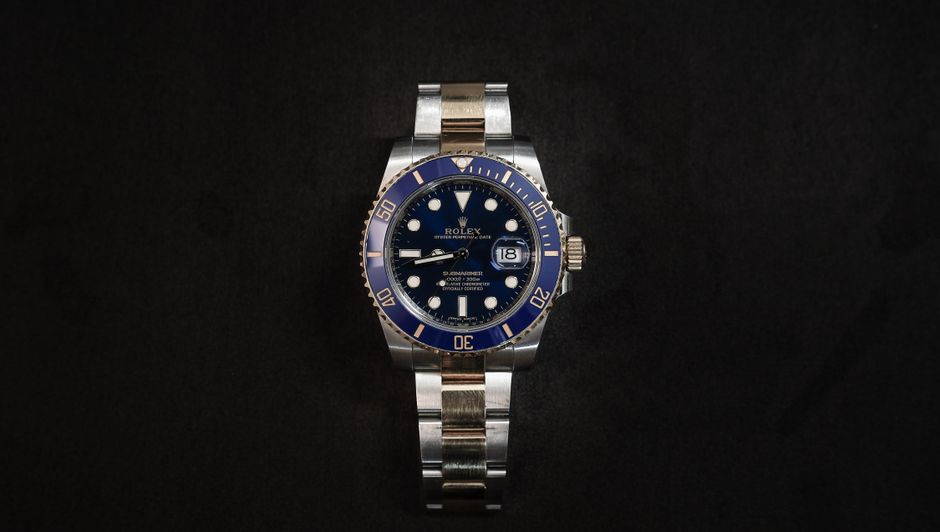
In the world of luxury watch collecting and resale, reputation is everything. Established companies like Rolex, Diamond Banc, and RESIDENT™ maintain stringent protocols to verify every single timepiece that crosses their desks. One non-negotiable step in their buying process is the thorough verification of the watch’s serial number, movement, and case. But why is this verification so critical? Beyond the obvious fraud prevention measures, there’s a deeper logic rooted in watch collecting as a portfolio-style stewardship, the frequent mismatch between insurance appraisals and actual market values, and the use of live secondary-market data to confidently price these assets.
Buyer Standards: The Backbone of Pricing Confidence
When you approach a reputable secondary-market buyer, such as Diamond Banc or RESIDENT™, you’re immediately entering a refined system that demands rigorous standards. These standards are designed not only to avoid fraud but also to ensure pricing confidence for both buyers and sellers.
Verification of Serial Number
The watch’s serial number serves as its unique fingerprint. Verifying this number accomplishes several objectives:
- Authenticity Confirmation: The serial number must align with the brand’s records for authenticity. Counterfeit watches or altered pieces often have fake or tampered serial numbers.
- Production Date Insights: Serial numbers provide insight into the watch’s production year. This data is critical because pricing models depend heavily on the production period and rarity associated with specific vintages.
- Service History Tracking: With brands like Rolex, authorized service centers log serial numbers during maintenance, building an official record that contributes to a watch’s condition report.
Movement Verification
The movement, or the watch’s internal mechanism, is essentially its heart. Reputable buyers insist on movement verification for these reasons:
- Confirming Originality: Watches with replaced or aftermarket movements rarely hold the same value. A mismatched movement calls into question the piece’s integrity and authenticity.
- Condition Assessment: The movement’s state contributes significantly to value. A well-maintained movement usually commands a premium over one needing service or with unauthorized modifications.
- Model-Specific Nuances: Certain watch models are defined by specific movements, which collectors highly prize. For Rolex, for example, particular calibers denote important technical or historical advancements.
Case Inspection
The case is much more than the watch’s outer shell; it influences aesthetics, originality, and even water resistance. Verification includes:
- Matching with Serial Number and Movement: Cases should correspond to serial and model numbers to ensure the watch is complete and authentic as delivered originally.
- Evaluating Condition and Preservation: Scratches, dents, polishing history, and replaced parts can all affect the watch’s value.
- Assessing Saturation Effects: Cases exposed to prolonged environmental factors (saltwater, extreme moisture) can experience discoloration or corrosion impacting market desirability.
Watch Collecting as Portfolio-Style Stewardship
Modern watch collectors increasingly view their timepieces as more than mere adornments. Instead, many approach collecting like portfolio management—stewarding tangible assets that require continuous valuation, verification, and strategic acquisition or disposition.
This stewardship mindset demands accuracy in valuation to mitigate two primary issues:
Companies like Diamond Banc and RESIDENT™ incorporate this portfolio stewardship approach by providing transparent, data-backed offers based on live secondary-market comps and demand signals rather than hypothetical MSRP or vague appraisal values.
Live Secondary-Market Data and Comparable Sales—The Cornerstones of Pricing
One of the modern advancements that has transformed buying desks is real-time access to secondary-market data and comparable sales. This data is invaluable in determining accurate pricing based on:
- Current Demand Trends: Watches that were once undervalued can spike in price almost overnight due to celebrity influence, limited availability, or cultural shifts.
- Sale Saturation Effects: If too many identical pieces flood the market, prices drop. Buyers detect saturation fast and adjust valuations accordingly.
- Condition and Configuration Specifics: Small differences like dial variations, full set status (box, papers, accessories), and aftermarket modifications influence price deviations massively.
The emphasis on full set or not is one of my personal key questions before even discussing price. Having the original documentation and packaging can mean thousands of dollars difference in resale value. Reputable buyers do not estimate based on “worth around” figures but rather on rigorous market intelligence and the actual condition.
Fraud Prevention: How Verification Protects the Ecosystem
Fraud remains a significant risk in luxury watch transactions. Reputable buyers leverage serial number, movement, and case verification to:
- Authenticate the Timepiece: Early identification of forged serial numbers or counterfeit parts prevents fraudulent sales.
- Authenticate Service Records: Matching movement and case data with authorized service histories ensures the watch has a verifiable lineage.
- Protect Consumer Confidence: Buyers and sellers alike gain trust in the marketplace knowing that stringent checks guard against fraud and misrepresentation.
- Prevent Waste of Resources: Authentication at the pre-offer stage prevents needless expenses such as paying for external certification before knowing if a fair offer can be made.
Insurance Appraisal vs Market Pricing: The Ever-Present Disconnect
Watch collectors often come with insurance appraisals stating replacement costs that don’t reflect current resale realities. This discrepancy arises because:
- Insurance Appraisals Use MSRP or Replacement Cost: These figures may be much higher than actual secondary-market transactions, especially for discontinued or saturated models.
- Secondary-Market Is Dynamic and Influenced by Multiple Factors: Collector demand, condition, provenance, and configuration drive value fluctuations that insurance appraisals aren’t designed to incorporate.
- Acquisition Cost vs Liquidation Value: Stewards of watch collections understand that what you paid or what an insurer values it at differs from what you might get when making a portfolio adjustment or liquidation.
Therefore, relying on comprehensive verification and leveraging real-time market data ensures pricing confidence and aligns expectations with reality. This approach differentiates reputable buyers like Diamond Banc and RESIDENT™ from less professional players who might defer to vague MSRP references or ask sellers to “just check online.”
Condition, Configuration, and Saturation Effects on Value
Each watch is a unique composition of its condition, configuration, and the state of the market saturation:
Reputable buyers meticulously confirm each factor before finalizing Go to the website valuations. Their rigorous standards provide pricing confidence, protect against fraud, and help maintain a healthy watch trading ecosystem.

Closing Thoughts
The insistence by reputable buyers—ranging from industry giants like Rolex’s own authorized channels to trusted secondary-market specialists like Diamond Banc and RESIDENT™—on verifying serial number, movement, and case is no accident or mere formality. It reflects an evolved understanding of watch collecting as a discipline that blends passion with portfolio stewardship.
In this dynamic market, where insurance replacement costs and actual resale values rarely align, verification coupled with real-time secondary market comps and demand analytics forms the foundation of pricing confidence and fraud prevention. For collectors and sellers alike, this means approaching the secondary market with professionalism, armed with data and clear standards.
So next time you consider selling or buying a luxury piece, remember: full verification isn’t just paperwork—it’s the gateway to fair value, trust, and a well-managed watch portfolio that stands the test of time.
