


Underwater photography is an exhilarating blend of exploration, art, and technical prowess. Whether you’re capturing the sweeping grandeur of a coral reef or the intricate beauty of a tiny nudibranch, mastering different underwater photography techniques takes dedication, knowledge, and the right tools. If you’re eager to learn wide angle underwater photography or macro underwater photography—and refine your skills while keeping your gear safe and functional—you’ve come to the right place.
Getting Started: Essential Equipment and Handling
Before diving into techniques, it’s crucial to understand your camera setup and how to care for it properly. An underwater camera housing is the cornerstone of your gear, protecting your camera from water and pressure. However, your housing has many delicate parts, including:
- Buttons and dials that allow you to control camera settings underwater.
- Hinges that enable easy access while maintaining a waterproof seal.
- Electrical connections that integrate strobes, focus systems, and other accessories.
All these components must be treated carefully, cleaned correctly, and maintained regularly to avoid malfunctions underwater or frustrating leaks.
Why Proper Handling Matters
The ocean’s saltwater environment can wreak havoc on underwater camera housings. Leaving salt deposits inside or on your gear can corrode metal parts, weaken O-rings, and cause sticky or unresponsive buttons and dials. An accidental flood, which I personally experienced early on, can ruin both your camera and an expensive memory card filled with once-in-a-lifetime shots. Proper habits aren’t just nerdy preferences—they’re survival skills for your underwater gear.
Where to Learn Underwater Photography Techniques
Many aspiring underwater photographers overlook structured learning opportunities or do not choose programs that emphasize both technique and gear care. Here are great places and approaches to learn wide angle and macro underwater photography effectively.
1. Dive Photo Guide Technique Courses
Dive Photo Guide is a fantastic resource offering comprehensive tutorials, gear reviews, and expert advice on underwater photography. Their technique section covers:
- Wide angle underwater photography: including tips on composition, distortion control, strobe placement, and lens choices.
- Macro underwater photography: focusing on magnification, lighting, and patience for capturing shy critters.
Many courses combine theory with practical dive examples, helping you build a foundation in lighting, framing, and camera handling.
2. Professional Photo Workshops and Liveaboards
Typically run by seasoned underwater photographers, these hands-on workshops give you access to real-time feedback on both technique and equipment handling. You’ll learn to:
- Work with your underwater camera housing controls smoothly and efficiently, adjusting buttons, dials, and managing lens ports.
- Set up strobes with proper electrical connections to minimize backscatter and highlight your subject.
- Practice wide angle shots on reefs or wrecks with experienced guidance.
- Refine macro focus and composition under the watchful eye of a professional.
Choosing workshops focused specifically on wide angle and macro photography ensures divephotoguide you get targeted guidance on these skill sets.
3. Online Communities and Video Tutorials
Platforms like YouTube, specialized forums, and Facebook groups present a wealth of free and paid content. Many underwater photographers share insights about button mapping on housings, how to protect hinges and o-rings, and electrical connection troubleshooting. These communities often emphasize subtle techniques, such as:
- Properly labeling chargers and cables before dives (a quirk of mine I swear helps avoid gear mix-ups!)
- Using small flashlights to inspect O-rings and seals before every dive.
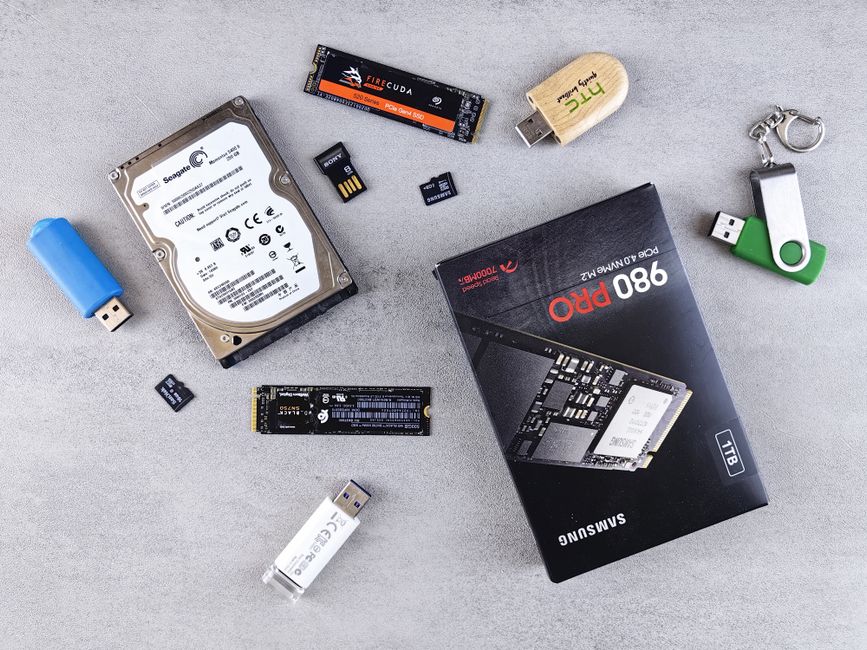
- Critically, why you should never format memory cards on day one without creating two device backups.
Key Practical Tips for Gear Maintenance During Training
Learning photography techniques is just part of the journey. Ensuring the longevity of your gear through safe and meticulous handling is just as important.
Saltwater Removal Before Opening Housings
Saltwater inside your housing or around its controls can lead to hidden corrosion and ruined electronics. Here’s how to prevent that:
Safe Handling in Shared Rinse Tanks
Shared rinse tanks aboard boats or liveaboards can be a danger zone for your precious housing:
- Always place housings gently and with padding or designated racks to prevent banging into other gear.
- Never allow housings to slam or knock against one another, which may damage sensitive buttons, dials, or hinges.
- If possible, rinse your housing separately or use a personal rinse bucket.
Dry Workspace Habits to Avoid Corrosion
Back on the deck or your lab area, dry workspace discipline keeps corrosive residues away from electronic and mechanical parts:
- Keep fresh towels and microfiber cloths handy to absorb moisture immediately after rinsing.
- Inspect and dry buttons, dials, and especially electrical connections, which are vulnerable to corrosion.
- Use your tiny flashlight to closely inspect O-rings for salt crystals or wear before every dive.
- Label all charging cables and equipment with masking tape to avoid mix-ups and unintended cable strain.
Two-Device Backups and Verification
One unavoidable truth in underwater photography: memory cards and cameras can fail, making backups your second life support system.
Summary Table: Learning Techniques vs. Equipment Care
Final Thoughts
Learning wide angle underwater photography and macro underwater photography techniques is genuinely rewarding, but don’t let your excitement cause sloppy gear habits. The best way to consistently capture amazing shots is to merge solid photographic technique with dodging preventable gear failures. Resources like Dive Photo Guide, expert-led workshops, and close-knit online communities will boost your skills. Meanwhile, remember to manufacture your own tiny rituals — like using a flashlight for O-ring inspections or labeling every cable — to keep your gear problem-free.
Happy diving and shooting! Your next stunning underwater photo starts with the right blend of artistry, practice, and care.
