


For many recording and mixing engineers, the late night studio session is almost a rite of passage. There’s something about the quiet hours that offers a unique canvas for creativity — a synergy often referred to as the synchrony effect. But as someone who’s clocked countless 7 PM-to-3 AM tracking blocks, I’ve learned that not all studio tasks are equally suited for those early-morning hours.
In this post, I’ll walk you through which tasks are safe and productive at 1 AM, focusing on the realities of late night tracking, songwriting at night, and arranging late session work. I’ll also cover some essential challenges to keep in mind, like ear fatigue, loudness creep, and how sleep deprivation can undermine your best studio intentions.
The Late Night Creative Surge: Why 1 AM Can Feel Magical
Many artists and producers find songwriting at night or arranging in the wee hours particularly inspiring. Here’s why:
- The synchrony effect: Late at night, your brain waves and emotional states often sync in a way that boosts creativity and problem-solving.
- Fewer distractions: Phone calls, emails, and social media messages slow down, letting you focus deeply on your music.
- Unique atmosphere: The dimly lit studio, usually complete with cozy lighting, sets a mood that can spark unexpected ideas.
That said, this creative boost carries risks if you push too hard on tasks your mind and ears aren’t ideally suited for at 1 AM.
Understanding Ear Fatigue and Temporary Threshold Shift
Whether you’re mixing on your trusted studio monitors or dialing in mic preamps for a late session tracking, your auditory system has limits.
Ear fatigue is a common enemy. It happens when your ears and brain get overwhelmed by continuous exposure to sound, causing perceived shifts in how frequency and volume sound. Sometimes this manifests as a dullness or muffling — a warning that you’re approaching a temporary threshold shift (TTS).
TTS occurs when exposure to loud sounds temporarily impairs hearing sensitivity. In the studio, this can lead to unintentional mixing mistakes, like boosting highs because they sound absent, morning light exposure circadian rhythm or pushing monitor volumes higher and higher.
How Loudness Creep Impacts Late Night Mixing
Loudness creep is an audible phenomenon where, after hours of work, the perceived volume level feels lower — tempting you to turn up studio monitors or other playback devices. This only accelerates ear fatigue and increases the risk of TTS.
Late night sessions are notorious for this cycle, which is why key monitoring habits matter greatly after midnight:
- Keep monitor levels moderate: Set your speaker volume to a comfortable, conversational level that can be maintained for extended periods without fatigue.
- Take breaks rigorously: Give your ears 10-15 minutes every hour away from loud volumes. This refreshes your auditory system.
- Use dim studio lighting: This lowers overall sensory stress and encourages relaxation post-tracking. (I always dim the lights the minute tracking ends.)
Safe Studio Tasks to Do at 1 AM
Working late can be productive, but with caveats. Based on thousands of hours tracking and mixing, here’s a hierarchy of tasks that are typically safer and more prudent after midnight:
1. Songwriting and Arranging
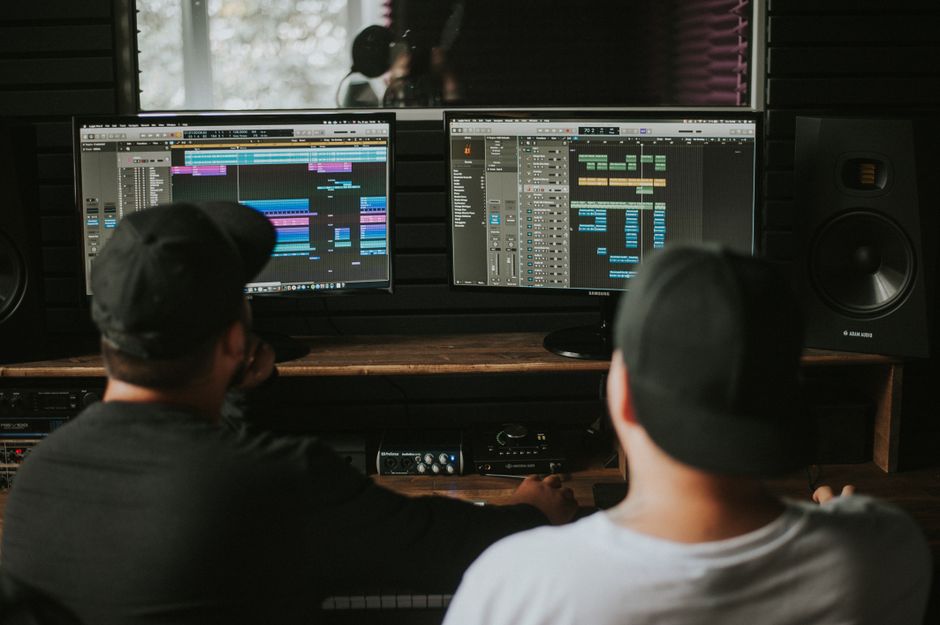
This is prime late-night territory. Putting ideas down, experimenting with chord progressions, lyric writing, and simple arranging demand creativity more than absolute auditory precision. Your brain is often in an ideal mood for these tasks at 1 AM. Having a pencil and notebook, or your Digital Audio Workstation (DAW) opened for creative sketching, can be incredibly productive without stressing the ears.
2. Editing MIDI and Rough Takes
Basic cleanup edits, moving MIDI notes, and light comping are precise but not overly taxing on your ears. This can be done with moderate volume in your headphones or monitors.
3. Listening and Taking Notes
Passive listening to reference tracks — especially at moderate levels — helps maintain perspective. Keep the monitor levels down to reduce ear strain.
Tasks to Avoid at 1 AM
- Critical Mix Decisions: Avoid finalizing mixes, loudness adjustments, EQ tweaks, or compression moves that require fresh ears. Sleep deprivation causes poor decision-making, leading to messy mixes that don’t age well.
- Tracking at High SPLs: Loud instrument or vocal tracking sessions can overload your auditory system permanently if done excessively late.
- Mastering or Reference Matching: These require well-rested, precise ears and ideally natural daylight or neutral lighting conditions.
The Big Picture: Sleep Deprivation and Studio Decisions
From my years as an assistant engineer and mix engineer, one rule stands out: the 3 AM mix rarely survives the next morning. Especially when you’re tracking until late or making “2 AM decisions,” the chance of waking up regretting choices is high.
Sleep deprivation isn’t just a discipline issue — it’s a biological limit that no amount of caffeine can fully override. Before you kick into your late-night fix, always ask yourself: “When did I last have coffee?” Keeping track of stimulant intake is as important as managing volumes.
Tips for Maintaining Creative Flow Without Sacrificing Rest
Summary Table: Studio Tasks vs. Safety at 1 AM
Closing Thoughts
Late night tracking, songwriting at night, and arranging late sessions come with unique benefits but plenty of pitfalls too. Respecting your ears, managing volume with your studio monitors, and understanding the effects of sleep deprivation keep your work sharp and sustainable.
If you find yourself needing support for restful sleep after long nights in the studio, consider Joy Organics and their Joy Organics CBD Sleep Gummies. Better rest leads to better creativity — the foundation of any great mix or track.
Remember—your 2 AM decisions are investments but trust me, the morning after often tells the real story. Prioritize smart workflow, rest, and ear health. Your mixes — and your future self — will thank you.
