Often, yes—but availability depends on the business and the type of evaluation you need. If work, school pickup, or family responsibilities make daytime appointments difficult, ask directly whether the office offers after 5 p.m. appointments, evening hours, or a scheduled consultation outside its standard business hours. Pretty simple.. Don’t assume a listing’s posted hours tell the whole story; some firms may be able to arrange a late appointment, while others require evaluations during the day.
That flexibility can matter if you’re considering a Rolex as part of a broader financial plan. In South Florida, families sometimes look at valuable personal property when they need to understand their options after a hurricane or other costly loss. But an evaluation is not the same thing as an offer, a loan approval, or a guarantee of what a watch will sell for. Before you make plans, find out what the appointment includes, what documents to bring, and whether the provider can meet your schedule.
Start by asking what “evaluation” means
The word “evaluation” can refer to several different services. A watch professional might inspect a Rolex and discuss its condition and marketability. An insurer or appraiser might prepare a valuation for a specific purpose. A buyer may make a purchase offer, while a lender may consider the watch as collateral. These are not interchangeable—and each may have a different process, fee, timeline, and level of documentation.
When you call or email, briefly explain what you need. For example, you might be seeking a general market estimate, documentation for insurance, a possible sale, or information about a collateral loan. Then ask whether the appointment is suitable for that purpose and whether the person conducting it has the necessary expertise.
Questions to ask before booking
- Do you offer after 5 p.m. appointments, and are they available on specific weekdays?
- Can the evaluation be done at your Coral Gables office, or is another location used?
- What does the appointment provide: an informal estimate, written appraisal, purchase offer, or loan review?
- Is there a fee, and does the fee change for an evening appointment or written report?
- How long should I plan to be there, and do I need to book in advance?
- What identification, service history, box, papers, or purchase records should I bring?
- Will the watch remain with me throughout the evaluation?
I’ll be honest with you: for family scheduling, clarity is useful. A 20-minute appointment near school pickup is different from an evaluation that involves authentication, paperwork, and a discussion of financing. Confirm the expected duration and whether a spouse or co-owner needs to attend or sign anything.
What can affect a Rolex evaluation?
A Rolex’s value is not determined by the name on the dial alone. Model, reference number, age, condition, originality, service history, and current demand can all matter. Bracelet condition, replaced components, polishing, and missing papers may affect the assessment. A reputable evaluator should explain what they inspected and distinguish between an estimated market value and the amount they might actually pay or lend.
It can help to review secondary market pricing trackers such as WatchCharts before your appointment. These tools can give you a sense of recent market activity for particular models, but they are reference points—not a guaranteed offer. Listings, completed sales, dealer prices, and a lender’s collateral valuation may differ. Be sure you’re comparing the same reference, configuration, and condition wherever possible.
You may also encounter names such as Diamond Banc when researching watch buyers or collateral-based options. Morgan Stanley may come up in conversations about broader wealth planning. Their services are not necessarily interchangeable, and mentioning a company does not mean it offers a particular appointment, loan, or appraisal in your area. Confirm the specific service, location, eligibility, and terms directly with the provider.
Why a watch evaluation may matter after a Florida hurricane
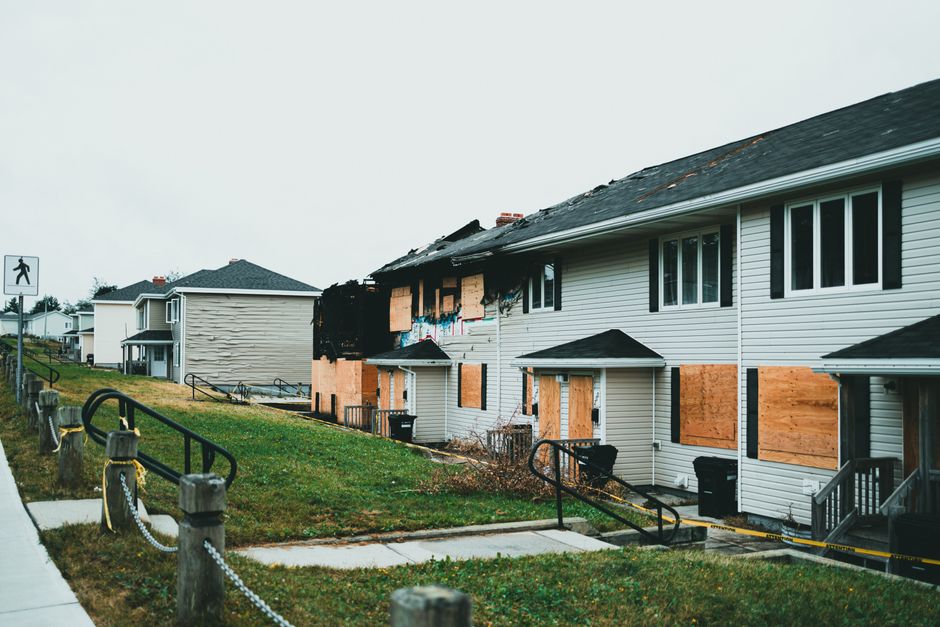
South Florida homeowners know that the bill after a storm can arrive before an insurance payment does. The first expenses may include temporary housing, water mitigation, debris removal, repairs, and replacing essentials. A Rolex evaluation could help you understand one asset’s potential value or whether a collateral loan is worth investigating. It does not replace an insurance claim, and it should not be treated as guaranteed emergency funding.
The bigger issue is often timing. Post-storm liquidity can be constrained just when households need cash quickly. Contractors may be booked or require deposits. Banks may see a rush of requests, and the normal pace of processing can slow. At the same time, a new HELOC or other credit application may take time—or be paused, restricted, or harder to qualify for after a disaster. Don’t build a recovery plan around credit that has not been approved and made available.
Understand the hurricane deductible before you need cash
In Florida, hurricane deductibles are usually percentage-based rather than a simple flat amount. The percentage generally applies to the insured value or dwelling limit specified in the policy—not necessarily to the repair bill. Your exact policy language controls, so check the declarations page and ask your insurer or agent how the deductible is calculated.
Common hurricane deductible options: 2%, 5%, 10%.
These are illustrations, not a reading of any particular policy. Still, they show why deductible math can create a five-figure cash gap. A homeowner with $750,000 in applicable dwelling coverage and a 5% hurricane deductible could be responsible for $37,500 before considering costs that insurance may not cover or timing differences in claim payments.

That gap can be hard to manage when savings are tied up, credit is uncertain, and repair work cannot wait. It’s one reason to review the deductible before hurricane season and keep an accessible reserve if possible. A watch may be an asset, but turning it into spendable cash has costs and risks that deserve careful review.
Could a collateral loan help?
A collateral loan is a loan secured by an asset—in this case, the watch may be held as security while the loan is outstanding. If you’re considering this route, ask how the watch will be stored, how the loan amount is determined, what interest and fees apply, when payments are due, and what happens if you cannot repay on time. Read the agreement carefully, especially the terms covering default, redemption, insurance, and the release of the watch.
Compare the loan’s total cost with other available options. An attractive cash advance can still become expensive if repayment takes longer than expected. Also consider whether you can tolerate being without the watch during the loan period. If the watch has family or sentimental value, that matters alongside its financial value.
Keep these distinctions clear
- Market estimate: An informed view of what similar watches may be trading for.
- Purchase offer: A buyer’s proposed price, which may be below a broad market estimate.
- Collateral value: A lender’s assessment of the watch for a loan, which can differ from a sale price.
- Insurance documentation: A valuation prepared for an insurance purpose, subject to the insurer’s requirements.
Ask the evaluator which of these applies. If you need documentation for an insurance claim, contact your insurer first to miamiweekly.com confirm what it will accept. A general resale estimate may not meet the insurer’s documentation requirements.
How to make an evening appointment productive
Because after 5 p.m. appointments may be limited, arrive prepared and keep the goal focused. Bring the watch and any available box, papers, receipts, service records, and prior appraisal documents. Don’t clean, polish, or modify the watch just before the appointment; those steps may affect its condition or how it is assessed. If the watch is currently insured, keep a copy of the relevant policy or schedule if the evaluation relates to coverage.
Plan for more than one source of cash
After a major storm, no single source of money is guaranteed to arrive on your preferred timeline. Insurance payments depend on policy terms and claim handling. A HELOC or new credit can be slow or paused after disasters. A collateral loan may involve fees, interest, and the risk of losing the pledged property if you cannot meet the agreement. Selling a watch means giving up ownership, potentially at a price that differs from an online tracker or an appraisal.
Think in layers: emergency savings, insurance coverage, existing credit that is already available, and any asset-based option you have researched in advance. Review your hurricane deductible and policy limits before a storm, not while you are arranging temporary housing. If you’re considering borrowing, compare the cost and repayment plan—not just the amount of cash offered today.
The bottom line
You may be able to book a Rolex evaluation after 5 p.m., but evening availability is provider-specific. Ask about after 5 p.m. appointments, verify whether the Coral Gables office can accommodate you, and make sure you understand what the evaluation does and does not provide.
If your reason is storm-season planning, connect the watch decision to the bigger household picture. Florida hurricane deductibles are commonly percentage-based, and the resulting out-of-pocket amount can reach tens of thousands of dollars. In a post-storm crunch, money may be harder to access just as banks and contractors are busy. A collateral loan or a sale might be one option to examine, but neither should be treated as automatic or cost-free. Do the policy math, compare terms, and make the decision before urgency takes away your time to think.