


Yes. A product can be certified organic and still contain animal-derived ingredients. Organic and vegan describe different things: organic certification focuses on how agricultural ingredients are produced and handled, while vegan describes whether a product contains animal ingredients or involves animal-derived materials. Neither label automatically guarantees the other.
This distinction matters whether you are choosing organic yogurt dairy, a plant-based protein powder, or a supplement with a clean-looking front label. The organic seal has real rules behind it—but those rules do not make a product vegan. Likewise, a vegan claim does not mean the product is organic.
Organic and Vegan Answer Different Questions
Think of organic and vegan as two separate checks on a product. Organic asks questions about agricultural production and athleisuremag.com processing. Vegan asks whether animal-derived ingredients or materials are present. A food or supplement can meet one standard, both standards, or neither.
One everyday example makes the difference clear: organic yogurt made with organic dairy can be organic and not vegan. The milk comes from an animal, so the yogurt is not vegan even if its organic certification is legitimate.
What USDA Organic Rules Do—and Don’t—Cover
USDA Organic certification is governed by federal standards. Those standards address matters such as production methods, handling, and permitted substances. For animal products, organic rules include requirements for how the animals are raised and what they are fed. They do not prohibit animal agriculture. Organic milk, eggs, meat, and honey can therefore be organic while remaining animal-derived.
The organic seal limits what the seal can tell you. It identifies compliance with organic requirements; it is not a broad ethical or dietary promise. The seal does not mean “plant-based,” “vegan,” “cruelty-free,” or “free from all animal inputs.” It also does not, by itself, tell you whether a product suits an allergy or avoids cross-contact with a particular allergen.
Organic percentages affect which claims appear
For many packaged products, the percentage of organic ingredients determines which organic claim may be used. Broadly, products labeled “100 percent organic” must meet the requirements for that category with all ingredients and processing aids organic, subject to applicable exceptions. Products labeled “organic” generally must contain at least 95 percent organic ingredients, excluding water and salt, with the remaining ingredients meeting applicable rules. Products made with at least 70 percent organic ingredients may identify particular organic ingredients, but generally cannot use the USDA Organic seal.
Exact requirements can depend on the product type and current USDA rules, so read the full label rather than treating the word “organic” as a complete ingredient description. In every case, an organic-percentage claim is about organic content and production—not whether the ingredients came from animals.
Vegan Labeling Is Not Federally Defined
In the United States, there is no single federal definition that governs every “vegan” claim across food, supplements, and personal-care products. That does not mean companies can make any claim they like: other consumer-protection and labeling laws still apply. Pretty simple.. But the word “vegan” on a package may be a company’s own claim rather than proof that a third party has reviewed the product.

For greater confidence, look for a recognized vegan certification and check what the certifier’s standard covers. Certified Vegan is one example of a third-party program. Certification can add accountability, but it is still worth reading the ingredient list and checking the certifier’s current criteria—especially if you have allergies, follow a strict personal standard, or compete in a tested sport.
Hidden Animal-Derived Ingredients to Check
Some animal ingredients are obvious, such as milk, whey, casein, egg, gelatin, and honey. Others may be less familiar or appear in a supplement’s inactive ingredients. If you keep a mental list of ingredients that sound planty but are not, add these to it:
- Gelatin: commonly made from animal collagen and used in capsules, gummies, and softgels.
- Shellac: a resin secreted by insects, sometimes used as a coating or glaze.
- Beeswax: may appear in coatings or as a processing ingredient.
- Lanolin-derived vitamin D3: vitamin D3 can come from sheep’s wool grease; vegan D3 is commonly sourced from lichen.
- Whey and casein: milk-derived proteins frequently used in powders, bars, and blends.
- Collagen: typically animal-derived, even when the product is described as “natural.”
- Some omega-3 oils: fish oil is animal-derived; algae oil is a common vegan alternative.
- Natural flavors: the phrase does not tell you on its own whether a flavor source is animal-derived. Ask the manufacturer for clarification.
Processing aids and flavor components can be harder to assess than the ingredients listed prominently on the front panel. If the label is unclear, contact the company and ask a precise question: “Are the ingredients, processing aids, and capsule materials free from animal-derived sources?” A vague “plant-based” reply may not answer what you need to know.
Capsule Shells and Softgels Matter
With supplements, I always check the capsule shell before I get excited about the active ingredients. A formula can contain only plant-based extracts and still fail a vegan screen if the capsule is made with gelatin. “Capsule” by itself is not enough information; look for a stated material such as hypromellose (often called HPMC) or pullulan, and ask the manufacturer if the source is unclear.
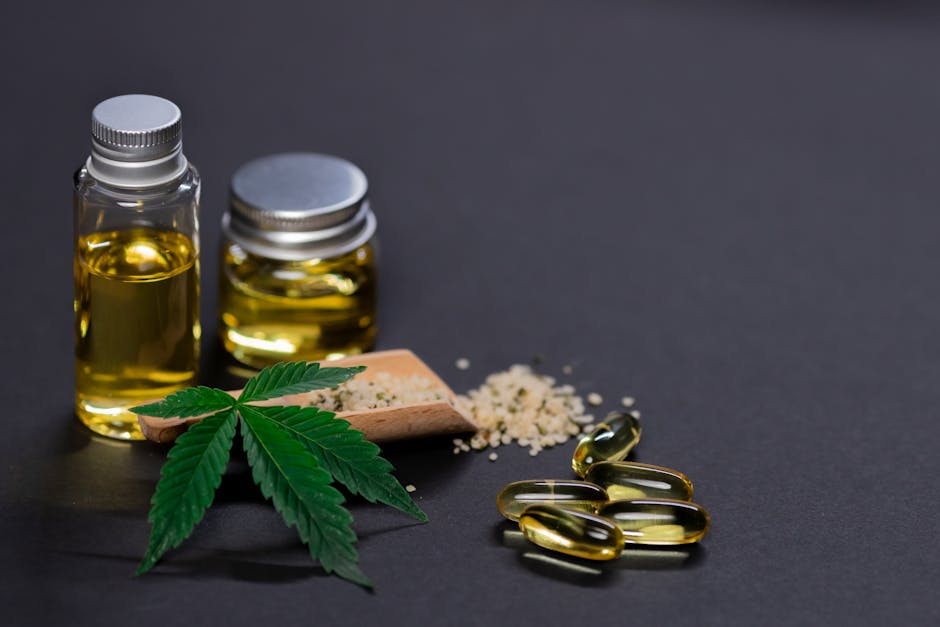
Softgels deserve extra scrutiny. Many use a gelatin shell, and their contents may include ingredients such as fish oil or other animal-derived oils. A product’s organic ingredients do not change the shell’s source. A softgel may contain organic ingredients and still not be vegan.
If you are comparing products, check the entire supplement facts panel and the “other ingredients” list—not just the active blend. Ask whether the capsule shell, coating, flavor system, and processing aids are animal-free. For athletes in tested events, also ask about contamination controls and independent testing. A vegan claim does not establish that a product is free of prohibited substances.
How to Verify Both Claims
Check the ingredient list, capsule or softgel material, allergen statement, organic claim, and any footnotes. Do not assume a clean front label means the product is free from dairy, gelatin, or other animal-derived ingredients.
Look for the USDA Organic seal or the exact wording used. A product may identify some organic ingredients without being eligible to display the seal.
Search for a certifier’s mark and verify it through the certifier’s own materials. A company’s “vegan” statement and a third-party vegan certification are not the same thing.
Request the source of natural flavors, vitamin D3, glycerin, capsule materials, and processing aids where relevant. Ask for a direct answer rather than relying on broad phrases such as “clean,” “natural,” or “plant-powered.”
For supplements, ask whether the company can provide a Certificate of Analysis (COA) for the product or batch. A COA may show identity, potency, or contaminant testing, depending on the tests performed; it does not automatically prove vegan status or organic certification. Match the document to the lot number and ask what the results cover.
Some companies publish Batch lab reports or make them available on request. These can help athletes assess testing for identity, purity, and contaminants, but they are not substitutes for checking the ingredient sources or verifying an organic certificate. When contacting a brand, ask for both: documentation supporting the relevant testing claims and a clear explanation of animal-derived ingredients and materials.
Questions Worth Asking a Brand
- Is the finished product certified organic, or does it contain only some organic ingredients?
- What percentage of the product’s ingredients are organic, and is the USDA Organic seal authorized for this product?
- Are the capsule shell and any softgel material plant-derived?
- Do any flavors, processing aids, carriers, or inactive ingredients come from animals?
- Is the vegan claim independently verified, and by whom?
- Can you provide a COA or Batch lab reports for the specific lot?
Where Retailers and Editors Can Help
Good product education means keeping the claims seperate instead of using “organic,” “natural,” and “vegan” as if they were synonyms. Readers of Athleisure Mag, for example, may be comparing convenient nutrition products for training and travel; a quick explanation of capsule materials or certification can save them from an avoidable mismatch. Retail staff can do the same by checking the back label, explaining what a seal certifies, and contacting the brand when a source is unclear.
Joy Organics is an example of a company consumers may encounter while researching wellness products, but the useful habit applies to any brand: assess the specific product, its current label, and its supporting documentation. Do not assume that a company’s general reputation or one product’s certification carries over to every item in its range.
The Bottom Line
A product can absolutely be organic but not vegan. Organic yogurt made with dairy is an easy example; supplements with gelatin capsules, animal-derived softgels, or other hidden animal ingredients are less obvious ones. USDA Organic rules—and the organic percentages behind particular claims—address organic production and handling, not vegan suitability. Meanwhile, “vegan” is not federally defined as one universal labeling standard, so third-party certification can provide useful added verification.
Use the labels as starting points, not shortcuts. Check the ingredient list, capsule shell, softgel, allergen statement, and organic percentage. Look for a credible vegan certification when that matters to you, and ask the company for a COA or Batch lab reports when you need testing details. The clearer the question, the more useful the answer—and the less likely a clean-looking label is to hide a detail that matters.
