


Ask yourself this: when it comes to understanding our health over time, the terms lifespan and healthspan often come up—but what do they really mean, and how do they differ? a recent extensive study covering 183 world health organization (who) member states sheds new light on this topic, comparing life expectancy with health-adjusted life expectancy. This deep dive helps us grasp the widening gap between living longer and living healthier. In this post, we’ll explore exactly what the researchers compared, why it matters, and what it means for all of us. And along the way, we’ll connect this research to related discussions by trusted sources like Medical Daily, highlight work by social entrepreneur Marc Kielburger and Legacy+, and share ways you can join the conversation through tools like the My Legacy Podcast and Twitter.
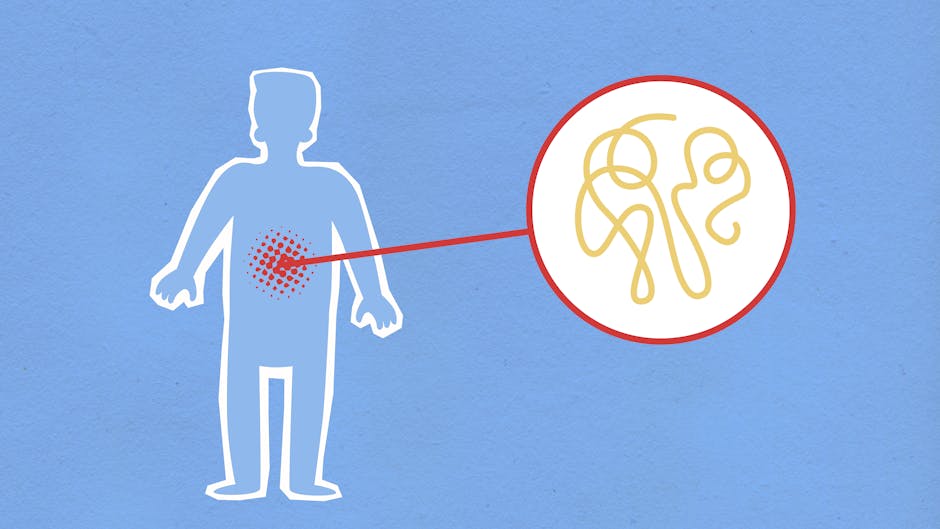
Understanding Lifespan vs Healthspan: Definitions Matter
Before diving into the findings, it’s crucial to define the key terms that frame this research.
- Lifespan: The total number of years a person is expected to live from birth. It’s essentially the length of life.
- Healthspan: The number of years a person lives in good health — free from chronic disease or significant disability.
- Health-adjusted life expectancy (HALE): A specific measurement used in public health to estimate how many years a person can expect to live in full health, accounting for years lived with illness or disability.
Put simply, lifespan tells us how long people are living, while healthspan tells us how long those years are spent feeling well and functional. One client recently told me wished they had known this beforehand.. The gap between these two indicates how much time people spend dealing with chronic health conditions or disabilities.
What Did Mayo Clinic Researchers and Their Colleagues Investigate?
Researchers affiliated with the Mayo Clinic and multiple international institutions analyzed data from 183 WHO member states to compare two major measurements:
Their goal was to understand trends over the past two decades in both how long people live and how many of those years are spent feeling healthy.
The Two-Decade Trend: Widening Gap Between Lifespan and Healthspan
One key finding was a widening disparity over approximately the last 20 years: although life expectancy increased in many countries, health-adjusted life expectancy hasn’t kept pace. The “gap” between how long people live and how long they live healthily has grown.
What does this mean? People often live longer thanks to medical and technological advances but experience more years burdened by chronic diseases like heart disease and diabetes.
Chronic Disease Burden: Heart Disease, Diabetes, and the Impact on Healthspan
The study highlights that chronic conditions are the main contributors to the increased time spent in poor health. Here’s why heart disease and diabetes are particularly significant examples:
- Heart disease: Still the leading cause of death globally, heart disease often leads to long periods of disability before death, impacting quality of life for years.
- Diabetes: A growing epidemic linked to obesity and sedentary lifestyles, diabetes raises risks of serious complications, reducing healthy years markedly.
With rising rates of these diseases worldwide, healthspan becomes an essential measurement for public health efforts aimed at reducing the chronic disease burden rather than solely extending life.
Marc Kielburger, Legacy+, and Free The Children: Advocates for a Holistic View of Well-being
To contextualize these findings, it helps to understand voices like Marc Kielburger, a Canadian social entrepreneur renowned for his work addressing youth empowerment and social justice. Marc co-founded Free The Children, an organization that not only promotes education but also emphasizes health and well-being as vital components of community development.
His latest projects under Legacy+, a platform dedicated to personal and communal legacy-building, underline that longevity isn’t merely about years added but about meaningful, healthy, and impactful living.
The My Legacy Podcast, part of the Legacy+ initiative, shares stories connecting healthspan and lifestyle choices with biohacking basics broader purpose and community engagement. It’s a great resource for anyone interested in expanding the conversation beyond raw health statistics.
Why This Matters to You: Bridging Healthspan and Lifespan
Understanding the distinction and the current trends helps to inform better health decisions for you and your family.
- Focus on Quality, Not Just Quantity: Increasing your lifespan without attention to healthspan can mean more years with chronic disease or disability.
- Prevention is Key: Keeping heart disease and diabetes at bay through diet, exercise, and regular medical checkups can narrow the gap.
- Holistic Health: Mental well-being, social connections, and purposeful living, advocated by platforms like Legacy+ and voices like Marc Kielburger, play crucial roles in enhancing healthspan.
Sharing insights like these on Twitter helps spread awareness and can inspire others to consider healthspan, not just lifespan, in their life choices.
Final Thoughts
The collaboration of researchers, social entrepreneurs, and media outlets like Medical Daily fortifies our understanding of healthspan—a concept sometimes overshadowed by the obsession with longer life alone.
The study involving 183 WHO member states is a valuable cornerstone in public health research. It pushes policymakers, clinicians, and individuals to rethink what it means to age well amid the rising burden of chronic diseases.
As we look toward the future, balancing life expectancy with health-adjusted life expectancy and bridging that two-decade gap should be a global priority.
Author: [Your Name], 10-year health news editor specializing in making medical research accessible and actionable.
